OUR STORY
Yes we are based in Cheltenham not Padstow! We have family connections in Padstow, and it is where our journey started with the early morning run to pick up the fish from the quay, but as we expanded we had to include other Cornish boats and suppliers to meet the demand of our loyal and devoted fish-loving customers!
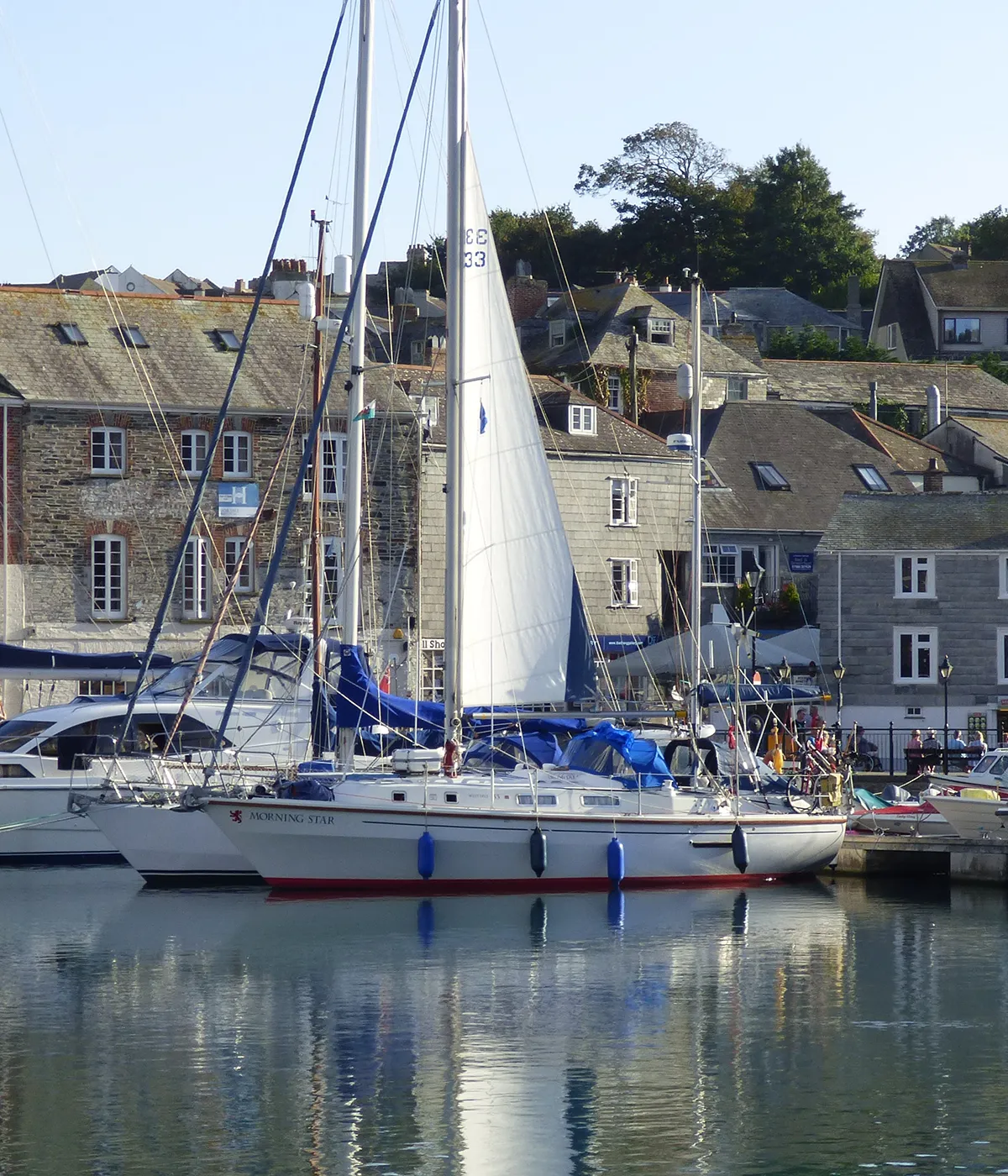
FAMILY CONNECTION AND HISTORY
We are a family business and although our hearts are in Cornwall and we spend as much time as possible there, we still live in The Cotswolds to get fish and seafood out to our loyal and devoted fish-loving customers! We still have family in Padstow and Rock and in fact the fishing members of the family were the inspiration for us to do that we do!
Lindsey, one of the directors, grew up on the Camel Estuary, and when you grow up by the sea you definitely become entangled with the traditional ways of coast dwellers…the fishing community. Padstow is a very traditional fishing community and it is where our journey started, doing the early morning run to collect fish from the Berlewen, a magnificent boat owned at that point by Nick Chapman, a charismatic and canny Cornish fisherman and entrepreneur, who happened to be our brother-in-law. It was an exciting start and the business grew until we had to add other boats and suppliers to meet the demand. We continue to prioritise Cornish fishing boats for the majority of our produce, as we are deeply committed to supporting the Cornish fleet.
Dorrell, the other director and the driving force behind Padstow Fish, started his foody career with Bensons juices…and gained a wealth of experience in Farmers Markets which became the next step for Padstow Fish alongside deliveries all over the Cotswolds and further afield. As the demand grew, we had to add other boats and suppliers to meet the demand. We continue to prioritise Cornish fishing boats for the majority of our produce, as we are deeply committed to supporting the Cornish fleet. For those of us lucky enough to grow up on the Camel estuary, it is hard to ignore the salt-water running through our veins. As they say, home is where the heart is, and our hearts are firmly in that special place in Cornwall.
PADSTOW HISTORY
Who doesn’t love Padstow? A quintessential traditional Cornish fishing village on the beautiful Camel Estuary, whats not to like? Padstow of course, has a long history of fishing, being on the only decent sized estaury on the North Coast and it is considered that is was used from as early as 2,500 BC as a natural harbour creating links to Brittany and Ireland. In the Middle Ages, Padstow became a trading port for copper, tin, lead ores, slate and, of course, pilchards. It also, controversially, may have played a part in the slave trade, not just in that a slave ship The Byam was built in Padstow around 1800, but also it is recorded that whilst Padstow was a working harbour for fishing and other trade, there were pirate raids from ports like Looe and Penzance, capturing sailors from Padstow and selling them in places like Morocco and Algeria. Not quite so relaxing and beautiful back then! But Padstow continued to play an important role in bringing commerce to Cornwall, and in the 19th century with the coming of the railway, daily fish trains would head to many parts of the Uk…meaning fishing became the lifeblood of the community, bringing food, employment and income to the community. You can still walk or bike the first part of that journey on the well-trodden Camel Trail! Nowadays, tourism of course contributes to that income, but many Padstow fisherman still continue to work on the frontline in this deeply traditional profession, the skills often passed down through generations of families. There is a romantic notion of the home-coming fishing boat, full to the brim with an abundance of goods from the oceans larder, but behind that is a story of exceptionally hard-work in often extremely difficult weather conditions. Men and women risk their lives on that oceanic frontline..it surely is a fascinating and extraordinary way to get food on a plate. Fishing is so inextricably connected to Cornish life, and we are passionate about supporting the Cornish fishing fleet, as we believe that it is important for us to help to preserve the rich and precious age-old traditions embedded in fishing communities such as Padstow.
SUSTAINABLE FISHING IN CORNWALL
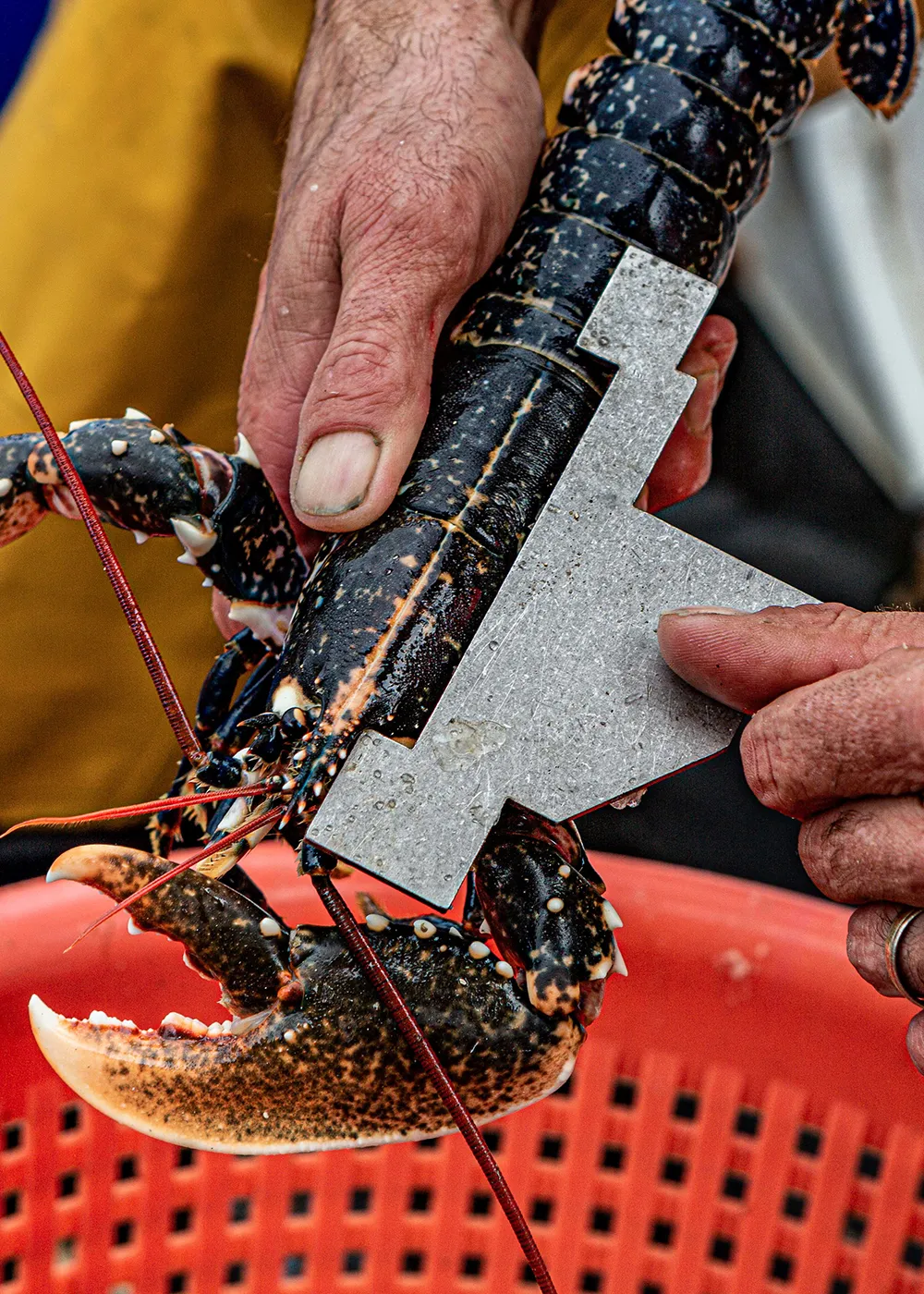
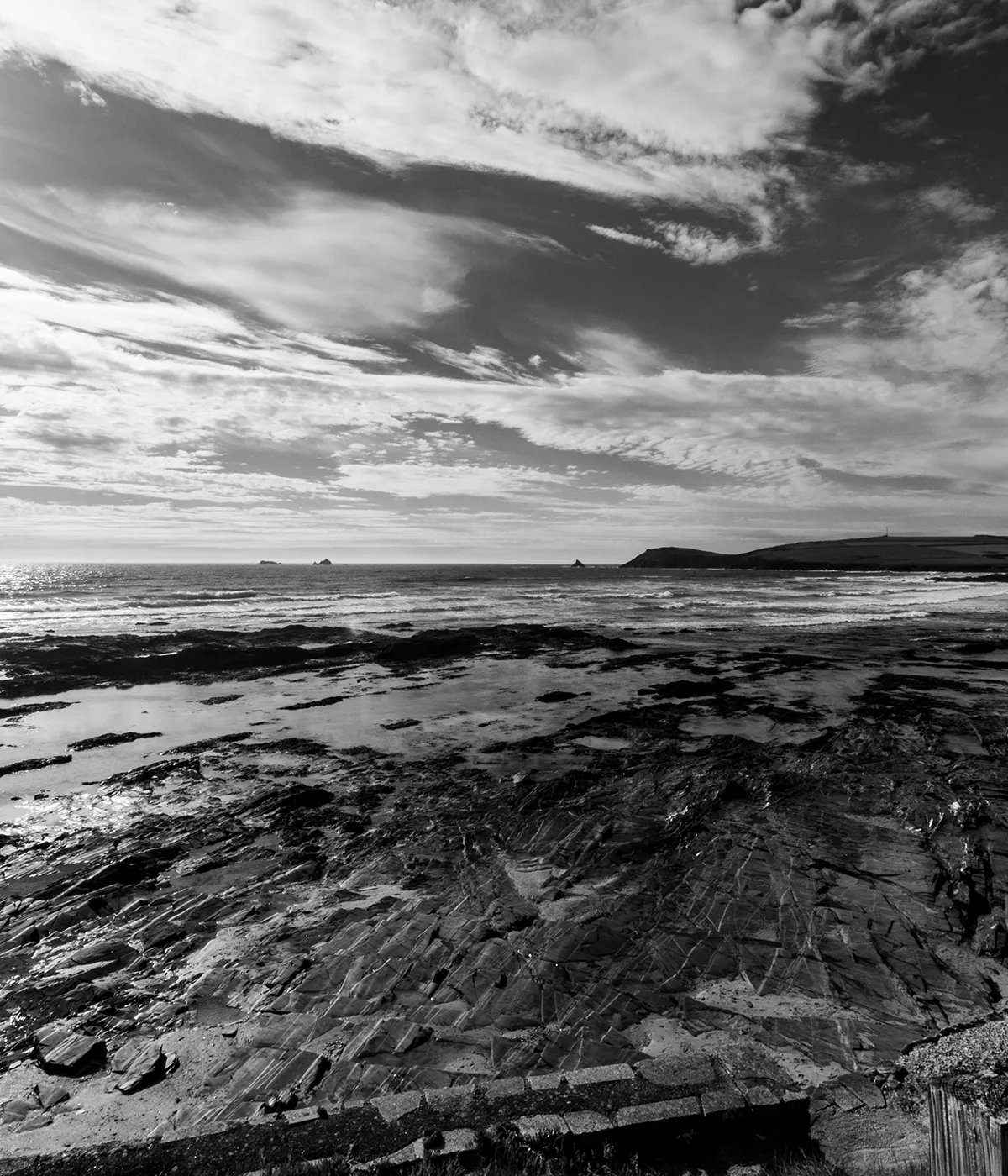
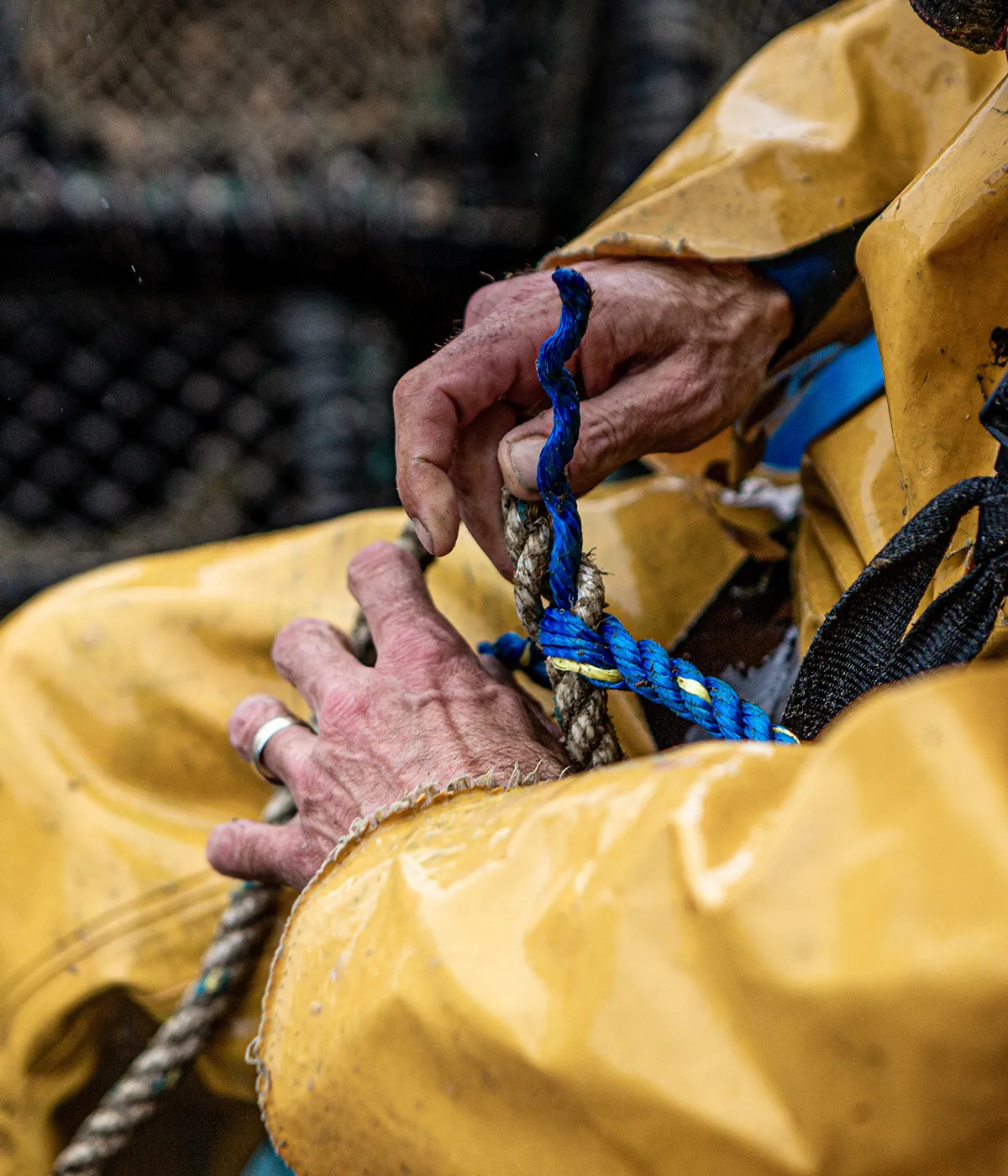
In this day and age, sustainability is rightly a hot topic and has to be very carefully considered from many points of view, including the avoidance of over- fishing but also the impact of climate change on species. Fish and other seafood are potentially a great renewable resource. But they need to be carefully managed to make sure fish stocks aren't over-exploited and also that seafood farms don't pollute the environment. Cornish fishing boats are considered low impact, especially compared to large - scale industrial fishing. Over 80% of fishing vessels in Cornwall are small, under 10 meters long, and use responsible methods that minimise their impact on the marine ecosystem. Low-impact fishing uses selective techniques with minimal environmental damage and low fuel emissions, such as hand-lining or selective gear. It often involves small-scale, local fishers who prioritise sustainability by avoiding damage to the seabed, reducing bycatch, and ensuring fish stocks can be replenished for future generations. We also support wonderful organisations like the Blue Marine Foundation, who work tirelessly to contribute to the protection of over 4.5m square miles of ocean. They work to prevent the draining of oceanic life through destructive and wasteful overfishing; exposing the iniquity of industrial fishing and uncovering the extent to which it is disastrous for fish stocks and the climate (see below). Most Cornish fish is sourced sustainably with many fisheries achieving certifications like the Marine Stewardship Council label (see below). In fact, Cornish produce is considered to be much lower impact than many parts of the globe which is why it is good to prioritise what is essentially local produce. As fisheries scientist and line fisherman Al Kingston says: “Historically, much of Cornwall’s seafood was exported to the continent, while much of what we buy in supermarkets is imported. But gradually we’re working to close the loop between those catching it and those eating it.” We agree with the ethos of Cornwall Good Seafood guide that Cornwall should be leading the way in environmental sustainability of its fishing industry so that we minimise our impact and ensure plentiful stocks of fish for future generations to enjoy. CGSG who are run by the Cornwall Wildlife Trust produce a guide to help you to ensure you are making sustainable choices (see below). Choice is important, there are some warm water fish that are doing really well at present; monkfish, hake, bream, sole. But some of the cooler water species are not fairing so well, along with being heavily fished by the European Trawler fleet. As I write this, there is a 95m Dutch boat fishing 12 miles off Padstow. We cannot change that at present, but we can chose to buy from someone who is prioritising local produce, and buy that I mean from the Uk and even better from gorgeous Cornwall!